
Are you tired of dealing with that stubborn five o’clock shadow on your upper lip or chin? You are probably asking yourself, is epilator better than shaving for face maintenance? It is a common dilemma for anyone chasing a flawless, glowing complexion without daily hassle.
Let us fix those skincare glitches together. Finding the right facial hair removal method can feel overwhelming, especially when you have sensitive skin. You want to remove unwanted fuzz without causing breakouts, redness, or ingrown hairs.
In this comprehensive guide, we are going to explore everything about these two popular methods. We will dive deep into how they interact with your delicate skin barrier and which tool truly deserves a spot in your beauty cabinet.

Table of Contents
Let’s Talk About Peach Fuzz (and the Stubborn Hairs, Too)
To figure out the best removal method, we first need to understand what we are actually removing. Your face does not grow the same type of hair as your legs or underarms. Treating it the same way is a recipe for disaster.
Vellus vs. Terminal Hair
Most of the hair on your face is vellus hair, commonly known as peach fuzz. This hair is fine, short, and lightly pigmented. Its main job is to regulate body temperature and evaporate sweat.
However, some areas like the chin or upper lip might develop terminal hair. These hairs are thicker, coarser, and darker, often triggered by hormonal shifts.
Terminal hairs have deeper roots. Because of this structural difference, they require a completely different level of mechanical handling compared to your delicate cheek fuzz.
The Hair Follicle Cycle
Hair growth happens in three distinct phases: the active growth phase, the transitional phase, and the resting phase. When you cut hair at the surface, you leave the root entirely intact within the follicle.
This means the hair simply continues its current growth phase without interruption. Because the blunt, cut edge emerges first, the hair can temporarily feel much thicker and coarser to the touch.
Removing hair from the root, however, forcibly interrupts this cycle. The follicle must completely rebuild the hair structure from scratch. This process significantly delays regrowth, giving you much longer stretches of smooth skin.
Facial Shaving and Dermaplaning: The Surface-Level Fix
Shaving your face has gained massive popularity recently, heavily rebranded as dermaplaning. This technique uses a single-blade razor to gently scrape away hair and dead skin cells from the epidermis.
The Mechanism
When you shave, the blade glides across the very top layer of your skin. It slices the hair shaft exactly where it emerges from the pore. It does not interact with the root or the deeper layers of the follicle at all.
This mechanical action also provides mild physical exfoliation. By scraping away the top layer of dead skin cells, shaving leaves the skin surface feeling incredibly slick and polished immediately after the treatment.
The Pros of Shaving
The biggest advantage is that it is completely painless. If you have a low pain tolerance, gently gliding a fresh blade across your cheek is entirely comfortable. It is also incredibly fast for quick touch-ups.
Additionally, it creates an absolutely flawless canvas for makeup application. Without the barrier of peach fuzz and dead skin, foundation melts seamlessly into the skin rather than sitting on top of a fuzzy texture.
The Cons of Shaving
The primary drawback is rapid regrowth. Because the root is untouched, you might feel stubble within one to three days. For people with dark hair, a visible “shadow” can appear almost immediately beneath the skin.
Furthermore, the blunt end of the cut hair feels coarse as it pushes through the skin. Continuous friction from daily shaving can also disrupt your natural skin barrier, leading to dryness and irritation—which is why choosing a machine from our review of the best electric shaver for sensitive skin female users can provide a much gentler, friction-free alternative.
How Facial Epilators Work on Delicate Skin
An epilator is an electrical device equipped with dozens of tiny, automated tweezers. As you roll the device across your skin, these mechanical tweezers rapidly grasp multiple hairs simultaneously and pull them completely out by the root.
The Mechanism
Unlike shaving, epilation happens below the skin’s surface. The tweezers grip the hair shaft tightly and extract the entire bulb from the follicle. This leaves the pore completely empty.
Because the follicle is left vacant, the body must generate a brand new hair bulb. The new hair that eventually emerges will naturally have a fine, tapered tip, making it feel much softer than cut stubble.
The Pros of Epilating
The most significant benefit is long-lasting smoothness. Because the hair has to regenerate entirely, you can enjoy smooth skin for up to four weeks. Over time, repeated root extraction can even cause hair to grow back sparser.
It is also highly efficient for targeting coarse terminal hair on the chin and upper lip. You only need to deal with the removal process once or twice a month, freeing up your daily morning routine.
The Cons of Epilating
Let us be honest—pulling multiple hairs out by the root hurts. The initial discomfort can be intense, especially on the highly sensitive skin of the upper lip. Your eyes will likely water during your first few sessions.
It also carries a higher risk of temporary erythema, which is dermatological redness and inflammation. Your skin might look bumpy and flushed for several hours after treatment as the follicles react to the trauma of extraction.
Head-to-Head: Is Epilator Better Than Shaving for Face?
So, is epilator better than shaving for face care? To answer this definitively, we must compare the two methods across several critical lifestyle and dermatological factors. It all comes down to what your skin can tolerate.
If you value immediate, painless results and want a perfect base for heavy makeup, shaving wins. However, if you despise daily maintenance and want to weaken the hair growth over time, an epilator is the superior choice.
Pain vs. Convenience
Shaving is a pain-free process that takes just minutes at the bathroom sink. However, it is a convenience you have to repeat every few days. The time adds up quickly.
Epilating requires bracing yourself for a stinging sensation. It takes longer to carefully glide the device over your contours. But that painful half-hour buys you almost a full month of zero maintenance.
Regrowth Speed and Texture
When you shave, the blunt stubble returns aggressively fast. If you have dark hair and pale skin, the contrast makes regrowth instantly visible. You are locked into a continuous cycle of cutting.
With an epilator, regrowth is incredibly slow. More importantly, when the new hair finally breaches the surface, it has a soft, natural tip. Your face will never feel prickly or rough when you hug someone.
Cost Effectiveness Over Time
Facial razors and dermaplaning wands dull very quickly. You need to replace the blades constantly to avoid bacterial buildup and microscopic skin tearing. This creates an ongoing, endless monthly expense.
An epilator requires a higher upfront investment. However, a high-quality device will easily last you for several years with proper cleaning. Long-term, it is significantly cheaper than constantly buying disposable facial blades.
Here is a quick reference guide to see how the methods stack up side-by-side:
Feature | Facial Shaving | Facial Epilator |
Pain Level | Zero | High (Initially) |
Regrowth Time | 1 to 3 Days | 3 to 4 Weeks |
Hair Texture After | Blunt & Coarse | Fine & Tapered |
Exfoliation Benefit | Yes (Physical) | No |
Long-term Cost | High (Replacements) | Low (One-time buy) |
The Hidden Risks for Facial Skin
Before you commit to either method, you must understand the potential dermatological complications. The skin on your face is much thinner and more reactive than the skin on your body.
Both cutting and pulling hair can cause trauma to the skin barrier. If you do not manage this trauma correctly, you can trigger a cascade of annoying and sometimes lasting skin issues.
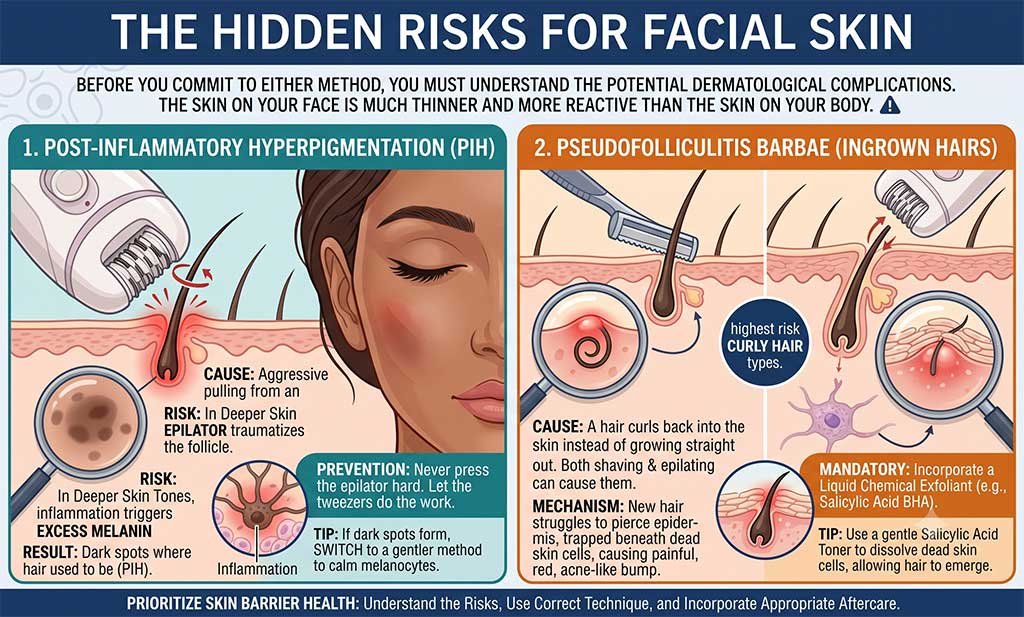
Post-Inflammatory Hyperpigmentation
Aggressive pulling from an epilator can traumatize the follicle. In deeper skin tones, this inflammation often triggers excess melanin production. This results in post-inflammatory hyperpigmentation, leaving dark spots where the hair used to be.
To prevent this, never press the epilator hard into your skin. Let the tweezers do the work. If you notice dark spots forming, you need to switch to a gentler method to let the melanocytes calm down.
Pseudofolliculitis Barbae
This is the medical term for ingrown hairs. They happen when a hair curls back into the skin instead of growing straight out. Both shaving and epilating can cause them, especially for those with curly hair types.
When a hair is cut bluntly, or when a follicle is disrupted, the new hair might struggle to pierce the epidermis. It gets trapped beneath dead skin cells, causing a painful, red, acne-like bump.
If you struggle with ingrowns, incorporating a liquid chemical exfoliant is mandatory. Using a gentle salicylic acid (BHA) toner helps dissolve the dead skin cells blocking the pore, allowing the new hair to emerge freely.
Step-by-Step: Prepping Your Face for Epilation
Proper preparation is the secret to minimizing pain and preventing breakouts. Never take an epilator to a dry, unwashed face. Follow this exact routine for the safest, smoothest results.
1. Double Cleanse: Removes makeup and excess sebum.
Wash your face thoroughly with an oil-based cleanser, followed immediately by a gentle water-based cleanser. This prevents you from pushing surface bacteria deep into open hair follicles during extraction.
2. Apply a Warm Compress: Softens the skin.
Hold a clean, warm, damp towel to your face for about 3 minutes. The moist heat relaxes the skin and opens the pores, which significantly reduces the pain of pulling the hair out.
3.Pull the Skin Taut: Crucial for preventing pinching.
Use your non-dominant hand to stretch your skin tightly away from the device. Keeping the skin completely flat is essential, especially around the delicate upper lip and jawline, to prevent the tweezers from pinching the skin.
4.Soothe and Protect: Post-care routine.
Immediately apply a soothing, alcohol-free toner, such as pure witch hazel or aloe vera. You must skip heavy active ingredients like retinol, AHAs, or vitamin C for at least 24 hours to prevent severe burning.
To see exactly how to maneuver an epilator around the tricky curves of your face, check out this excellent tutorial:
Top Facial Epilators and Shavers
To help you make the best choice, here are the top-rated devices currently dominating the market. We have formatted these reviews to give you exactly the information you need quickly.
1. Braun FaceSpa Pro 911
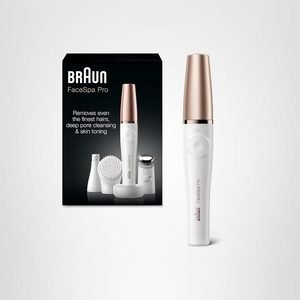
The ultimate all-in-one beauty device that combines precise facial epilation with skin toning and cleansing attachments in a sleek, rechargeable wand.
Important Features:
- Micro-opening tweezers capture hair 4x shorter than wax.
- Rechargeable battery for cordless convenience.
- Includes a micro-vibration toning head for serum application.
- 100% waterproof for use in the shower.
Pros:
- Exceptionally precise for the upper lip and eyebrows.
- The slender design feels like holding a mascara wand.
- Very gentle on sensitive skin compared to larger body epilators.
Cons:
- The battery life is relatively short per charge.
- Higher price point due to the extra beauty attachments.
2. Remington Smooth and Silky Facial Epilator
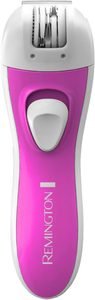
An affordable and highly effective facial epilator designed to target your upper lip, chin, and jawline with a compact design.
Important Features:
- Compact head design perfectly sized for the contours of your face.
- Includes a protective cap and a cleaning brush.
- Operates purely as an epilator without extra skincare attachments.
Pros:
- Very budget-friendly price point for a dedicated facial epilator.
- Backed by thousands of positive Amazon reviews.
- Excellent for removing coarse chin and upper lip hairs directly from the root.
Cons:
- Does not include extra cleansing or toning attachments like pricier models.
- Can be painful initially until your skin gets used to root extraction.
3. Schick Hydro Silk Dermaplaning Wand
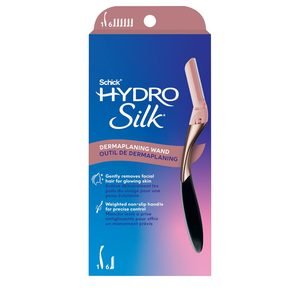
A professional-grade, at-home dermaplaning tool designed for those who prefer shaving, featuring micro-guards to protect the skin from accidental nicks.
Important Features:
- Unique micro-guards on the blade to prevent deep cuts.
- Ergonomic, weighted handle for precise control.
- Includes multiple refill blades.
- Silicone grip for use in slippery bathroom conditions.
Pros:
- Provides incredible physical exfoliation.
- Makes makeup application noticeably smoother.
- Very safe for beginners terrified of traditional razors.
Cons:
- Hair grows back quickly, requiring frequent use.
- Blades must be replaced often to maintain effectiveness.
Product Comparison Table
Product Name | Best For | Removal Type | Power Source |
Long-lasting smoothness | Root Extraction | Rechargeable Battery | |
Budget-friendly root removal | Root Extraction | AA Battery | |
Exfoliation & Makeup Prep | Surface Cutting | Manual |
FAQ
No, using an epilator does not cause wrinkles. Wrinkles are caused by a breakdown of collagen and elastin, usually due to sun damage and aging. As long as you hold the skin taut while epilating to prevent dragging, it is perfectly safe for skin elasticity.
This is the most common myth. Shaving absolutely does not change the thickness, color, or growth rate of your hair. It only feels thicker temporarily because the razor cuts the hair at its thickest point, leaving a blunt edge as it grows out.
For most people, the erythema (redness) subsides within two to four hours. If you have extremely sensitive skin, it might last overnight. It is always highly recommended to epilate in the evening so your skin can calm down while you sleep.
It is highly discouraged. Body epilators have large heads with aggressive tweezers meant for thick leg hair. Using them on the delicate upper lip can easily pinch the skin and cause severe irritation. Always use a specialized facial attachment or dedicated facial device.
Because facial hair grows in different cycles, you might notice stray hairs popping up every week at first. Generally, you should aim to epilate every two to three weeks to maintain total smoothness and catch all the hairs in their various growth phases.
Final Verdict
So, is epilator better than shaving for face care? For the vast majority of people, yes. The long-lasting, root-level removal prevents the frustrating daily stubble associated with shaving.
While shaving offers a great, painless exfoliation for makeup prep, it demands constant upkeep. We highly recommend investing in the Braun FaceSpa Pro 911 for thorough root extraction on the chin and upper lip. Reserve manual dermaplaning wands strictly for clearing light cheek fuzz before special events. Choose your weapon based on your patience for maintenance!

Leave a Reply