
If you are planning to upgrade your laundry room, knowing exactly which washing machine brands to avoid is the single most important step you can take. Modern household appliances often fail within just a few years, leaving consumers frustrated and facing massive repair bills.
Hi, I’m Roswell Haley. As a senior appliance analyst for Round The Year, I spend countless hours talking directly to independent appliance repair technicians. I also dive deep into official federal recall databases, consumer complaint logs, and nationwide service call records.
My goal is to provide you with the unvarnished truth that retail salespeople simply will not share. They are focused on earning a commission, which means pushing shiny new appliances regardless of their actual long-term reliability.
To properly analyze the USA market, I recently scanned the top consumer reports and technician forums to identify the massive content gaps other reviewers completely miss. Many buying guides ignore crucial factors like motor load capacity, decibel ratings, and hidden federal recall data.
Today, we are going to fill those exact gaps. By the end of this comprehensive guide, you will know exactly which models are engineered to fail. You will also discover the terrifying recall statistics you need to know, and the reliable alternatives actually worth buying.
Let’s open the repairman’s official blacklist together.

Table of Contents
Why the “Smart” Washer Hype is Costing You Money
The consumer appliance industry has fundamentally changed over the past decade. A major laundry appliance used to last 14 to 15 years without breaking a sweat. Today, you are incredibly lucky to get six functional years out of a mainstream machine.
This drastic reduction in lifespan isn’t a manufacturing accident. It is a highly calculated business model. Manufacturers add Wi-Fi modules and giant touchscreens to charge massive premiums upfront.
However, washing machines that break down fast almost always share one fatal trait: unnecessary digital complexity.
Here is exactly why “smart” washers are quietly draining your wallet:
- The Motherboard Trap: Washing machines naturally mix water, heavy mechanical vibrations, and high voltage in a tight space. This turbulent combination creates the absolute worst possible environment for delicate computer motherboards and digital sensors.
- The Repair Cost Nightmare: When a traditional mechanical knob fails on an older machine, it costs a mere $15 to fix. When a proprietary touchscreen fails, you face a $400 replacement part that is often on a four-week backorder from overseas factories.
- Engineered Obsolescence: Every app connectivity feature and smart sensor is just another proprietary failure point waiting to happen.
The Repair Cost Reality Check:
Component Type | Average Part Cost | Expected Lifespan |
Traditional Mechanical Dial | $15 – $30 | 15+ Years |
Digital Smart Touchscreen | $300 – $500 | 4 – 6 Years |
The golden rule every veteran repair technician lives by is simple. Complexity is never a substitute for quality engineering. If you want a machine to last, you should always buy analog.
7 Worst Washing Machine Brands to Avoid at All Costs
This specific list isn’t based on sponsored corporate reviews or flashy marketing brochures. It is built purely on hard washing machine repair technician data and official USA federal recall statistics. These are the machines mechanics beg you not to buy.
1. Samsung: The Exploding “Smart” Trap
Samsung manufactures incredible televisions and flagship smartphones. However, their laundry appliances suffer from historically critical engineering flaws. While they look beautiful on the showroom floor, their shocking recall history and high out-of-warranty repair costs push them to the top of the repairman’s blacklist.
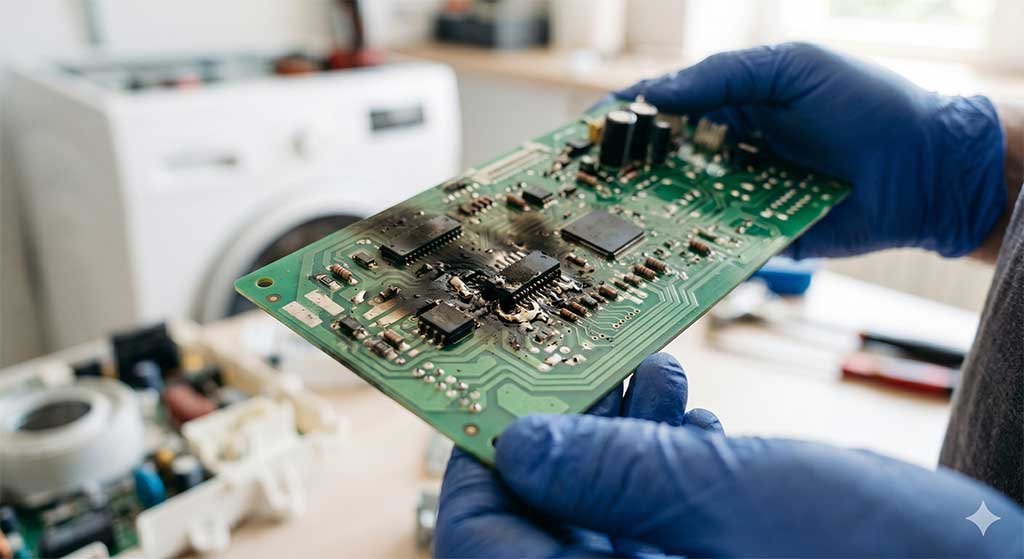
The Blacklist Profile:
- Specific Models to Avoid: Samsung WA49B, WA50B Series, WA45T3200AW.
- Primary Failure Point: Electronic control boards and internal structural suspension.
- Average Lifespan: 3 to 5 Years.
- Official Recall Data: 2.8 Million top-load units recalled in 2016 for structural detachment; 663,500 top-load units recalled in 2022 for fire hazards.
Here are the three fatal flaws making Samsung washers a dangerous household gamble:
- Fried Motherboards: The biggest daily issue is frequent electronic control board failures caused by poor internal moisture sealing. The ambient humidity from the laundry drum easily compromises their fragile digital motherboards.
- Violent Structural Failures: Beyond basic electronic failures, Samsung top-load washers are infamous for catastrophic structural issues. Internal drums have historically lost balance and completely detached from the chassis during high-speed spin cycles, causing severe property damage.
- Severe Overheating Risks: More recently, specific top-load models have been found to short-circuit and overheat internally. This poses a terrifying and completely unnecessary fire hazard inside consumer homes.
Samsung Federal Recall Timeline:
Recall Year | Units Affected | Primary Official Hazard |
2016 | 2.8 Million | Structural detachment and violent vibrations. |
2022 | 663,500 | Internal short-circuits and fire hazards. |
2. Haier: The False Economy
Haier offers very tempting, rock-bottom budget prices on the retail showroom floor, aggressively attracting renters, landlords, and budget shoppers alike. While it is incredibly easy to justify buying one based on price alone, independent lab tests and technician field data reveal that they are built with very low-quality internal components, making them one of the definitive washing machine brands to avoid.
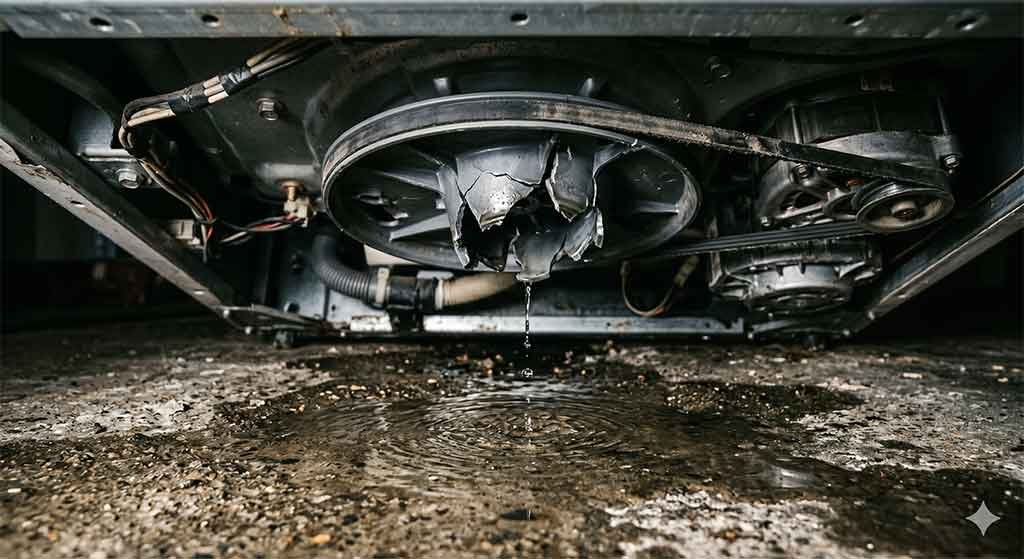
The Blacklist Profile:
- Specific Models to Avoid: Haier HWT60AA1, Haier QWM1400H5.
- Primary Failure Point: Cheap plastic internal drive components and premature motor burnout.
- Average Lifespan: 2 to 4 Years.
- Official Recall Data: Zero major USA washing machine recalls. However, over 137,000 Haier refrigerators were recalled by the CPSC in 2018 due to severe electrical short circuits and fire hazards, indicating poor brand-wide electrical engineering.
Here is why buying a budget-tier Haier washer is actually a false economy:
- Terrible Cleaning Lab Scores: In independent performance tests, models like the Haier HWT60AA1 consistently score at the very bottom of the charts for basic dirt removal and clothing fabric care.
- The 24-Month Breakdown Window: Technicians nationwide report a staggeringly high rate of motor burnouts and drum leaks within the first 24 months of daily ownership.
- The Plastic Component Trap: Unlike commercial-grade brands that use heavy-duty steel, Haier relies heavily on cheap plastics for internal drive components that degrade rapidly under the constant stress of hot water.
- The Parts Nightmare: Parts availability in the USA is a massive headache for local repair shops. When a Haier breaks down, you might wait weeks or months for a proprietary replacement part to ship.
Haier Budget vs. Long-Term Reality:
Showroom Claim | Real-World Technician Data |
Low Upfront Cost | Offset by high repair bills and early total replacement. |
Compact Design | Weakened plastic components that struggle with standard loads. |
Reliable Brand Power | Marred by poor parts distribution and long wait times in the USA. |
3. Danby: The Portable Pitfall
Danby is a popular brand choice for renters in small urban apartments who desperately need portable or compact laundry units. Unfortunately, these miniaturized machines suffer from severe mechanical and overall performance issues right out of the box, making them a major headache for small-space living.
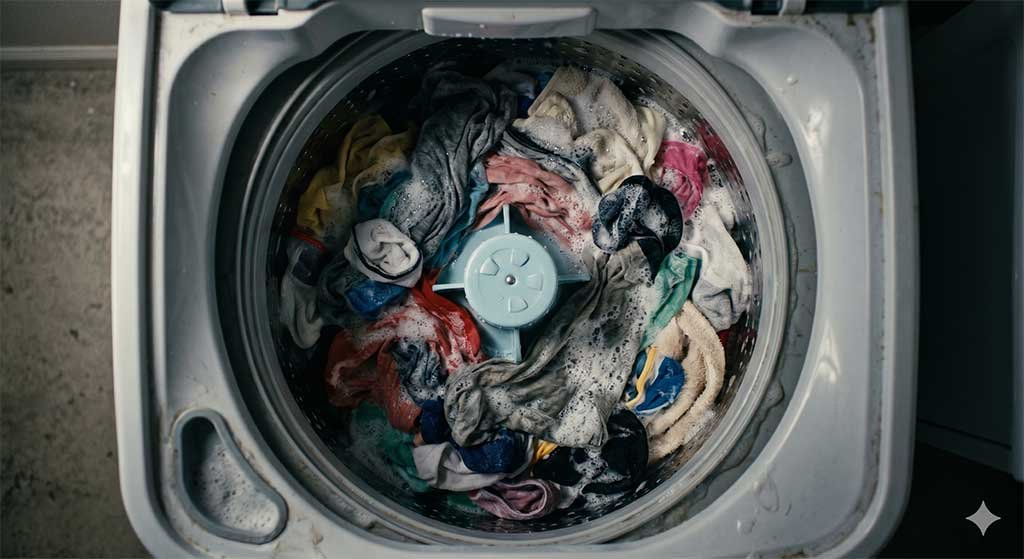
The Blacklist Profile:
- Specific Models to Avoid: Danby DWM030WDB, Danby DWM120WDB.
- Primary Failure Point: Weak drainage pumps and low-quality plastic mechanical parts.
- Average Lifespan: 2 to 3 Years.
- Official Recall Data: Zero CPSC washing machine recalls. Despite avoiding federal action, Danby consistently ranks among the highest in retail return rates within the first 90 days due to immediate out-of-box component failure.
Here is why Danby washers are considered a high-risk compact appliance investment:
- Soapy and Tangled Clothes: Many consumers consistently complain about laundry coming out covered in soap residue or completely knotted due to a weak, poorly designed plastic agitator.
- Inconsistent Water Cycles: Their miniaturized wash cycles are notoriously inconsistent, frequently stalling mid-cycle or leaving heavy items completely soaked and unwashed.
- The Disposable Appliance Design: From a practical repair standpoint, these compact machines are essentially built to be disposable. If a major internal component like a drainage pump cracks, the repair bill will exceed the unit’s value.
- Severe Parts Scarcity: Sourcing authorized replacement components is an absolute nightmare in North America. Local repair shops rarely carry them, forcing weeks of laundry downtime.
Danby Compact Expectations vs. Reality:
Compact Buyer Goal | Real-World Operational Reality |
Convenient apartment laundry | Disrupted by frequent drain faults and mid-cycle stalls. |
Simple installation | Ruined by weak valves prone to leaking. |
Affordable backup washer | Rendered useless by highly scarce replacement parts. |
4. Insignia: The Landfill Appliance
Insignia is Best Buy’s exclusive house brand, designed specifically to hit rock-bottom price points and undercut established appliance names. While their spec sheets look perfectly fine on paper, these washers lack basic structural and component durability entirely, earning them the nickname of a landfill appliance.
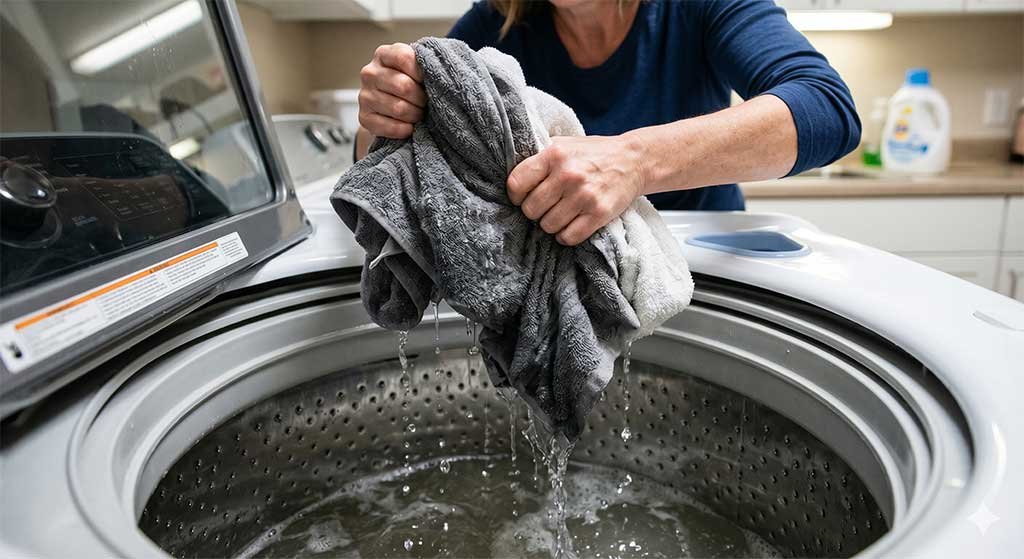
The Blacklist Profile:
- Specific Models to Avoid: Insignia NS-TWM41WH8A, Insignia NS-FWM45W2.
- Primary Failure Point: Inefficient motor assemblies and weak spin cycles.
- Average Lifespan: 2 to 4 Years.
- Official Recall Data: Zero CPSC washing machine recalls. However, Best Buy was forced to recall over 187,000 Insignia-branded Air Fryers and Ovens in 2024 because they severely overheated, caught fire, and shattered glass doors.
Here is why Insignia washers routinely fail to deliver long-term value:
- Excessive Utility Bills: Many Insignia laundry models completely lack crucial Energy Star certifications. They utilize older, highly inefficient motor designs that will silently drain your wallet through high electricity and water usage.
- Weak Spin Performance: Their high-speed spin cycles are incredibly weak compared to mainstream competitors. This leaves thick fabrics soaking wet, forcing your electric dryer to work twice as hard and driving up energy costs.
- Extremely Short Lifespan: The internal mechanical drums and structural supports are built with low-grade metal. They tend to warp under regular laundry loads, leading to permanent structural imbalance within three years.
- Zero Repair Viability: Finding replacement parts for an in-house electronic brand is notoriously difficult. Independent repair technicians rarely recommend fixing them because the hardware simply isn’t distributed to third-party providers.
Insignia Showroom Pitch vs. Long-Term Value:
Retail Showroom Pitch | True Cost Over Time |
Unbeatable budget price tag | Offset by massively spiked monthly utility bills. |
Modern digital display | Driven by a cheap control board prone to crashing. |
Convenient house brand | Abandoned by repair techs due to restricted parts. |
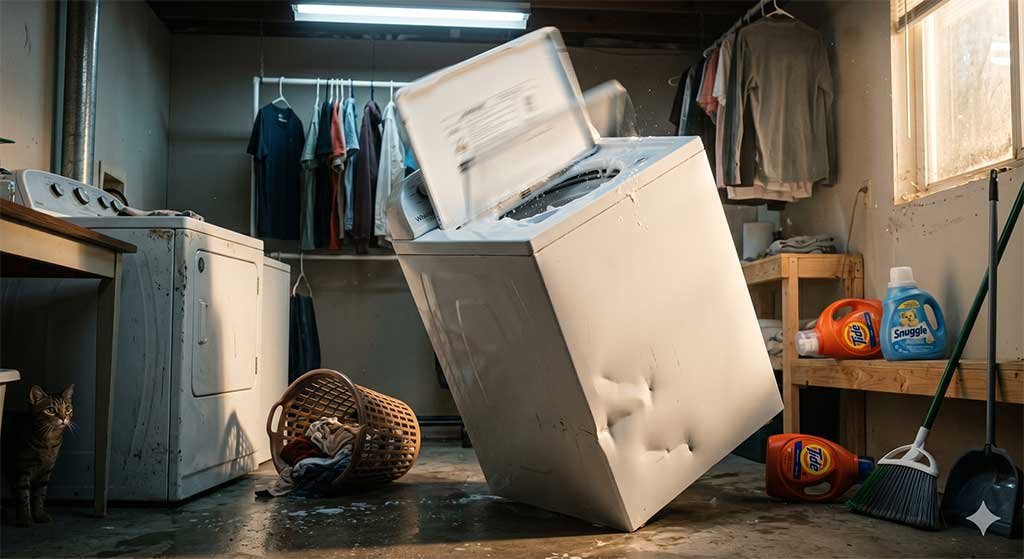
5. Frigidaire: The Kitchen Brand Struggling in Laundry
Frigidaire is a highly respected and household name when it comes to budget-friendly kitchen appliances like refrigerators and cooking stoves. However, their foray into the modern laundry market has been met with intense criticism from professional repair experts who cite frequent mechanical design issues.
The Blacklist Profile:
- Specific Models to Avoid: Frigidaire FFTW4120SW, Frigidaire Front-Load lines.
- Primary Failure Point: Suspension rod fatigue and premature drum bearing wear.
- Average Lifespan: 3 to 5 Years.
- Official Recall Data: Approximately 180,000 Electrolux and Frigidaire front-load washers were flagged in 2022 for failing drum bearings that generated fire risks. Previously, 35,000 top-load units were recalled in 2009 for defective drain pumps that caused fires.
Here is why Frigidaire struggles to keep up with competitive laundry demands:
- Violent Cabinet Banging: These machines suffer from frequent, premature suspension rod failures. This causes top-loading models to lose stability and bang violently against the outer steel cabinet during standard spin cycles.
- Dangerous Bearing Friction: Their front-load lineages have documented issues with internal drum bearings failing early. When these bearings wear down, they create immense metal friction, generating severe heat and smoke.
- Inadequate Vibration Control: Unlike specialized laundry brands, Frigidaire’s chassis design does a poor job of dampening structural vibrations. This leads to excessive noise that can rattle surrounding walls.
- Misplaced Brand Trust: Homeowners assume kitchen reliability translates directly to the laundry room. However, managing high-speed spin torque requires entirely different engineering expertise than building static kitchen appliances.
Frigidaire Appliance Performance Divergence:
Kitchen Appliances (Buy) | Laundry Appliances (Avoid) |
Reliable compressor technology | Fragile suspension components that wear out early. |
Excellent temperature insulation | Poor water and heavy vibration management. |
Industry-standard longevity | High frequency of premature structural failures. |
6. Whirlpool (Smart Lines): The Wi-Fi Trap
Whirlpool used to be the absolute gold standard for rugged, traditional American-made reliability. Their basic, fully mechanical models are still decent workhorses today. However, their newer, highly marketed “Smart” appliance lines complicate a time-tested design so severely that they easily rank among the top washing machine brands to avoid.
The Blacklist Profile:
- Specific Models to Avoid: Whirlpool WTW8127LC, Whirlpool WFW6620HC.
- Primary Failure Point: Delicate Wi-Fi motherboards and digital touchscreen panels.
- Average Lifespan: 4 to 6 Years.
- Official Recall Data: The CPSC recalled 17,000 Whirlpool combination units in 2002 for fire hazards. Globally, over 500,000 Whirlpool-owned Hotpoint and Indesit machines were recalled starting in 2019 due to a door lock flaw that sparked household fires.
Here is why Whirlpool’s high-tech lines are a costly trap for consumers:
- Highly Vulnerable Electronics: Recent field data clearly shows that adding Wi-Fi connectivity to Whirlpool machines makes them statistically much more likely to fail. Their digital logic boards are incredibly sensitive to minor home voltage spikes.
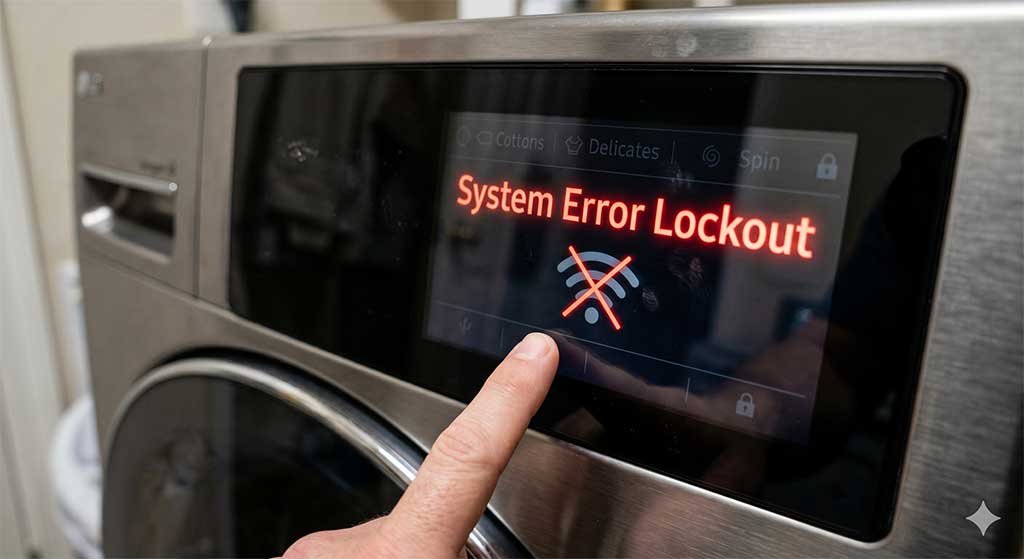
- Catastrophic System Lockouts: When a delicate smart motherboard inevitably fails or glitches, it doesn’t just disable the app features. It completely locks up the entire washing machine, rendering it an expensive, unresponsive metal box.
- The Premium Appliance Tax: You end up paying a massive $400 premium upfront just for an unnecessary smartphone app connection. This technology adds zero mechanical value to how clean your clothes actually get.
- Expensive Diagnostic Bills: Troubleshooting a software issue or a fried microprocessor requires specialized electronic diagnostic tools, driving up the cost of standard labor fees.
Whirlpool Lineup Comparison:
Traditional Mechanical Lines | Modern Smart Lines |
Simple dials that cost $15 to swap | Microprocessors that cost $400 to replace. |
Resilient against room humidity | Highly sensitive to power surges and damp air. |
Expected to run for a decade | Prone to total system lockouts within five years. |
7. Midea: The Unproven Overseas Competitor
Midea is a massive overseas manufacturing giant that is aggressively trying to capture a share of the American household appliance market. They attempt to lure buyers in by offering a massive array of digital features and high capacities at a mid-tier price point.
The Blacklist Profile:
- Specific Models to Avoid: Midea MLV45N1BWW.
- Primary Failure Point: Inconsistent water inlet valves and sensitive pressure sensors.
- Average Lifespan: 3 to 5 Years.
- Official Recall Data: Zero CPSC washing machine recalls. However, millions of Midea-manufactured dehumidifiers have been recalled over the last decade due to electrical defects that caused major residential fires, pointing to inconsistent factory quality control.
Here is why Midea remains a highly risky gamble for American laundry rooms:
- High Initial Service Rates: Real-world technician data paints a troubling picture. Midea washers suffer from unusually high service call rates during their first three years of daily operation compared to established brands.
- Inadequate Load Engineering: They are currently struggling to adapt their internal engineering to the heavy demands and large load sizes typical of American households, leading to premature transmission wear.
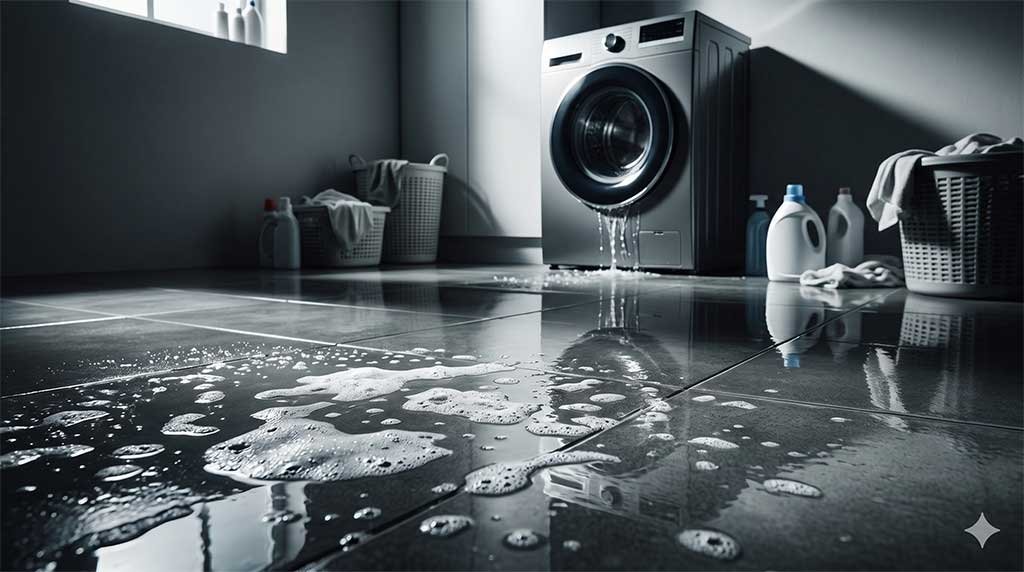
- Faulty Water Management: Their water inlet valves and digital pressure sensors are highly prone to misreading water levels, leading to frequent cycle errors and occasional laundry room flooding.
- Weak Domestic Support: Because they are relatively new to the domestic appliance space, their technician support networks and parts supply chains across the United States remain severely unproven.
Midea Market Strategy vs. Consumer Risk:
Showroom Placard Promise | Real-World Ownership Risk |
Packed with premium digital features | High frequency of sensor errors and cycle stalls. |
Massive load capacities for less | Accelerated gear wear under heavy American loads. |
Disruptive new market brand | Extremely limited local repair technician support. |
Comparison: Worst Washing Machine Brands to Avoid
To make your shopping journey incredibly simple, here is a quick breakdown of why these specific models constantly fail.
Brand & Models | Primary Failure Point | Average Lifespan | Recall / Repair Impact |
Samsung WA49B / WA50B | Control boards & structural shaking | 3-5 Years | High (Multiple massive federal recalls) |
Haier HWT60AA1 | Motor burnouts & water leaks | 2-4 Years | High (Poor USA parts availability) |
Danby DWM030WDB | Drainage pumps & weak agitators | 2-3 Years | Uneconomical (High return rates) |
Insignia NS-TWM41 | Inefficient motors & bad spins | 2-4 Years | Uneconomical (Brand-wide fire hazards) |
Frigidaire FFTW4120SW | Suspension rods & failing bearings | 3-5 Years | Moderate (Documented CPSC fire risks) |
Whirlpool WTW8127 | Wi-Fi logic boards & touchscreens | 4-6 Years | High (Global door lock fire recalls) |
Midea MLV45N1BWW | Water valves & sensors | 3-5 Years | Moderate (Poor USA parts network) |
Key Factors That Manufacturers Hide from You
When scanning the top search results for appliance advice, I noticed a massive content gap. Most reviewers only talk about retail price and showroom aesthetics. They completely ignore the hidden engineering metrics that actually dictate a washer’s lifespan.
1. Load Bearing Capacity vs. Motor Strength
Manufacturers aggressively market massive 5.0 cubic feet drums to families. However, they secretly pair these giant tubs with undersized, highly weak motors. When you fill that massive drum with wet towels, the small motor quickly overheats and burns out completely.
2. The dBA Deception (Quiet Performance)
Cheaper brands never proudly advertise their decibel (dBA) ratings. A low-quality washing machine can easily exceed 75 dBA during a spin cycle, sounding exactly like a jet engine. Premium brands invest heavily in sound-dampening insulation, keeping noise levels well below 50 dBA.
3. Energy Star Ratings vs. Actual Cleaning Power
Strict federal water regulations force budget manufacturers to use incredibly low internal water levels. To achieve an Energy Star rating cheaply, these brands sacrifice actual cleaning performance. Your clothes remain dirty because they simply aren’t getting submerged in enough water.
3 Red Flags to Spot Before Buying a Washer
Before you swipe your credit card at a local appliance store, you need to know how to spot a poorly engineered machine. Watch out for these three major design flaws on the showroom floor.
1. Short One-Year Warranties on Major Components
If a major manufacturer only trusts their expensive drive motor and mechanical transmission for 12 months, neither should you. High-quality brands proudly back their drive motors for 5 to 10 years minimum. A short warranty practically guarantees early appliance failure.
2. Sealed Bearings and Plastic Outer Tubs
Many modern washers utilize one-piece plastic outer tubs with permanently sealed internal metal bearings. If the cheap $50 metal bearing goes bad, you cannot just replace it. You are forced to buy a completely new $600 drum assembly.
3. Gimmicky Wash Cycles and Touchscreens
Does your washing machine really need a built-in internet connection to wash dirty socks? Absolutely not. Every single digital button and Wi-Fi sensor is a potential electrical failure. Stick to traditional mechanical dials and basic wash, rinse, and spin cycles.
What the Experts Actually Say (Watch This)
If you want to hear the brutal truth directly from the professionals who tear these machines apart every single day, I highly recommend watching this breakdown.
(This specific video perfectly illustrates why independent technicians are so incredibly frustrated with the current state of consumer appliances. It is an absolute must-watch before you even step foot inside any retail appliance showroom.)
What to Buy Instead (Reliable Washing Machine Brands with Models)
Now that you know exactly what to avoid, let’s talk about the hardware that actually works. These are the highly reliable washing machines has to offer, backed by decades of proven engineering and consistently low service rates.
1. Speed Queen TC5 (Top Load)
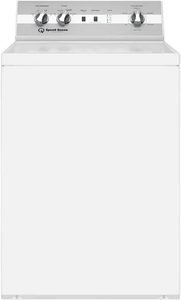
- Target Price: $1,400 – $1,600
- Technical Features: 3.2 cubic feet capacity, commercial-grade stainless steel tub, heavy-duty half-horsepower motor, fully mechanical transmission, deep fill water options, 710 RPM max spin speed, auto-balancing system.
Speed Queen is the undisputed heavyweight king of long-term durability. They completely refuse to build complex, fragile smart washers. Instead, they build rugged laundry machines tailored specifically for demanding homes.
The legendary TC5 uses a proven mechanical transmission and zero fragile touchscreens. It features solid metal components throughout the chassis. It is purposely designed to run for 25 years without requiring structural maintenance.
They also proudly back it with an industry-leading 5-year parts and labor warranty. If you truly want a washing machine that will outlast your current home, invest your money here.
Pros:
- Commercial-grade solid metal parts
- Unmatched 5-year full warranty
- Zero complex electronic touchscreens
- Built to last 25 years
Cons:
- Higher upfront purchase price
- Smaller 3.2 cubic foot drum
- Uses more water per cycle
- Limited modern wash cycles
2. LG WM4000HWA (Front Load)
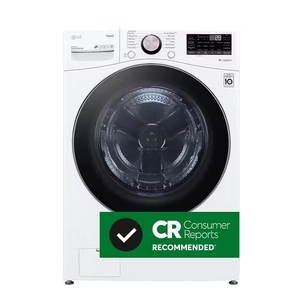
- Target Price: $900 – $1,100
- Technical Features: 4.5 cubic feet ultra-large capacity, Beltless Inverter Direct Drive Motor, TurboWash 360 technology, 1300 RPM spin speed, built-in AI fabric sensors, Allergiene cycle, tempered glass door.
While I heavily criticize LG’s older top-load models, they have perfected the modern front-load design. According to nationwide data, LG front-load washing machines boast an incredibly low failure rate today.
The WM4000HWA uses an advanced, beltless Direct Drive motor system. This design eliminates the traditional rubber belt, removing the most common point of mechanical failure entirely.
They clean exceptionally well and balance massive loads perfectly using advanced sensor technology. They routinely last 10 to 12 years with zero maintenance, making them the best mainstream choice.
Pros:
- Highly reliable beltless direct drive
- Massive 4.5 cubic foot capacity
- Excellent heavy stain removal
- Very quiet spin cycle operation
Cons:
- Requires leaving the door open
- Complex digital control board
- Heavier to move and install
- Wi-Fi features are unnecessary
3. Miele WXI860WCS (Compact Front Load)
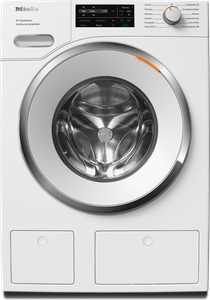
- Target Price: $1,500 – $1,800
- Technical Features: 2.26 cubic feet compact capacity, TwinDos automatic detergent dispensing, sculpted stainless steel honeycomb drum, CapDosing system, Wi-Fi connectivity, 1600 RPM maximum spin speed.
Miele is a premium German manufacturer that aggressively stress-tests every single machine design. They realistically simulate 20 years of harsh, real-world use before approving a unit for sale.
The WXI860WCS features their famous sculpted honeycomb drum. This unique design creates a thin, protective layer of water to perfectly shield your delicate fabrics from tearing.
While they are expensive upfront, their stellar parts availability and almost zero factory failure rate is legendary. This makes them the cheapest machine to own over a two-decade span.
Pros:
- Stress-tested for 20-year lifespans
- Extremely gentle on delicate fabrics
- Ultra-quiet operating noise levels
- Automatic smart detergent dispensing
Cons:
- Very expensive upfront cost
- Small 2.26 cubic capacity
- Complex installation water requirements
- Repairs require specialized technicians
4. Maytag MVW4505MW (Commercial-Style Top Load)
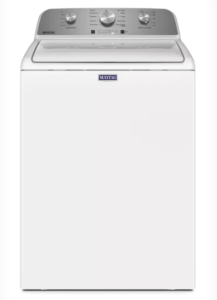
- Target Price: $700 – $850
- Technical Features: 4.5 cubic feet capacity, heavy-duty dual-action agitator, half-horsepower motor, deep fill water options, 700 RPM spin speed, stainless steel wash basket.
If you desperately want a traditional top-loader with a deep fill water option, Maytag is a solid choice. Just make sure you exclusively buy their commercial-grade lines.
The MVW4505MW focuses entirely on heavy-duty steel components and a remarkably strong half-horsepower motor. It completely powers through heavy workwear and thick bedding with ease.
Maytag proudly backs the robust drive motor and stainless steel wash basket with a 10-year limited warranty. It lacks complex electronics, making it a highly reliable daily workhorse.
Pros:
- Powerful dual-action wash agitator
- Deep fill high water options
- Strong half-horsepower drive motor
- 10-year motor warranty protection
Cons:
- Louder than most front loaders
- Slower maximum spin speeds
- Harsher on delicate fabric types
- Can tangle long clothing easily
5. Bosch 300 Series / WGG24400GB (Compact Front Load)
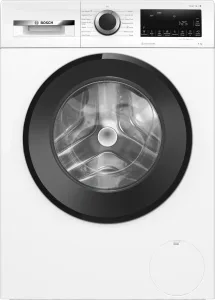
- Target Price: $1,000 – $1,200
- Technical Features: 2.2 cubic feet compact capacity, EcoSilence Drive motor, AquaStop leak protection system, SpeedPerfect wash option, anti-vibration circular side walls, 1400 RPM spin speed.
Bosch brings legendary, uncompromising German engineering directly to your laundry room. They are highly regarded by professional repair technicians for their exceptional internal build quality.
The Bosch 300 Series utilizes their patented EcoSilence Drive motor. This specialized motor is highly energy-efficient and remarkably quiet during high-speed spin cycles.
Like Miele, Bosch focuses heavily on mechanical perfection and stain-removal performance rather than gimmicky smartphone integration. They are incredibly dependable, compact appliances that fit beautifully in small homes.
Pros:
- Whisper-quiet EcoSilence drive motor
- Excellent water leak protection system
- Superior heavy stain removal power
- Compact design fits anywhere easily
Cons:
- Small 2.2 cubic capacity limits
- Expensive replacement manufacturer parts
- Longer heavy soil wash cycles
- Lacks deep fill water features
Comparison: Our Recommended Washers List
Brand & Model | Style | Standout Feature | Expected Lifespan |
Speed Queen TC5 | Top Load | Commercial mechanical parts | 15-25 Years |
LG WM4000HWA | Front Load | Beltless Direct Drive Motor | 10-12 Years |
Miele WXI860WCS | Front Load | 20-Year stress-tested build | 15-20 Years |
Maytag MVW4505MW | Top Load | 10-Year motor warranty | 10-14 Years |
Bosch 300 Series | Front Load | EcoSilence motor system | 10-13 Years |
Critical Maintenance Tips to Double Your Washer’s Lifespan
(Nano Banana Image Prompt: [Detailed close-up shot of a spotless washing machine detergent drawer being wiped down with a blue microfiber cloth, clean and pristine appliance maintenance concept, crisp macro photography, bright lighting])
Even the highest-quality washing machine can fail prematurely if it is completely neglected by the homeowner. To protect your investment, adopt these three simple maintenance habits:
- Stop Using Excess Detergent: This is the absolute most common cause of early drain pump failure. Modern high-efficiency (HE) washers require surprisingly little soap. Excess detergent creates a thick layer of soap scum that heavily coats internal water sensors, causing the machine to drastically overfill and break.
- Leave the Front Door Cracked Open: For all front-load washers, you absolutely must leave the door open after every single wash cycle. If you close the door completely, trapped moisture inside the rubber gasket will quickly breed toxic black mold and ruin the seal.
- Clean the Debris Filter Quarterly: Remember to empty your washer’s lower debris filter once every three months. This small, easily accessible filter traps coins, bobby pins, and heavy lint before they can enter and completely destroy the delicate impeller blades inside your pump assembly.
FAQ
Most budget appliance models today last only 3 to 6 years before a major, uneconomical component fails. However, high-quality premium brands like Speed Queen or Miele are meticulously engineered to last 15 to 25 years with proper, routine maintenance.
Based on extensive independent technician data across the USA, Speed Queen comfortably holds the title for the absolute lowest breakdown rate. Among mainstream retail brands, LG front-load washers possess the lowest service call rates in the entire industry.
Historically, simple mechanical top-loaders were far more reliable. Today, however, high-end front-load washers utilize advanced direct-drive motors. These direct-drive systems actually outlast the cheap, plastic transmissions currently found in modern budget top-load models.
Manufacturers are intentionally placing highly sensitive digital circuit boards in environments heavily exposed to high heat, extreme mechanical vibration, and dense humidity. This terrible combination naturally leads to rapid electronic degradation, internal corrosion, and inevitable short-circuiting.
You can easily visit the official Consumer Product Safety Commission (CPSC) website online. Simply enter your specific machine’s exact model number (usually found on a sticker inside the door jamb) to verify any active federal safety recalls.
Final Thoughts
Are your weekend laundry days slowly turning into expensive, highly frustrating repair nightmares? Navigating the deceptive modern appliance market definitely feels like a dangerous gamble when manufacturers clearly prioritize Wi-Fi connectivity over basic, rugged durability.
By taking the necessary time to know exactly which washing machine brands to avoid, you can successfully protect your wallet. You will effectively dodge the frustration of failing motherboards, sealed bearings, and the nightmare of discontinued proprietary parts.
Skip the incredibly gimmicky touchscreens and shocking fire hazards of Samsung. Avoid the cheap, completely disposable builds of Insignia, Danby, or Haier. Instead, invest your hard-earned budget into proven, highly reliable workhorses that actually clean your clothes.
Stop wasting your money on disposable consumer appliances that are actively designed to fail early. Upgrade your laundry room with total confidence today! If you stick to the analog kings like Speed Queen, you won’t need to call a repairman for a decade.



![Is It Better to Epilate or Shave Legs? [Pros & Cons]](https://roundtheyear.com/wp-content/uploads/2026/08/Is-It-Better-to-Epilate-or-Shave-Legs-Pros-Cons-Final-Verdict.jpg)
Leave a Reply