
If your morning grooming routine frequently ends with a red, irritated face, you are probably questioning your product choices. People often ask: Is shaving gel the same as shaving cream? The short answer is absolutely not. These two popular products have entirely different chemical formulations, textures, and grooming purposes.
Understanding the difference can instantly transform a painful chore into a luxurious experience. Many men and women blindly grab whatever aerosol can is on sale at the local pharmacy. Unfortunately, this quick decision often leads to severe skin irritation, poor blade tracking, and an uncomfortable tugging sensation during every pass.
Is Shaving Gel the Same as Shaving Cream?
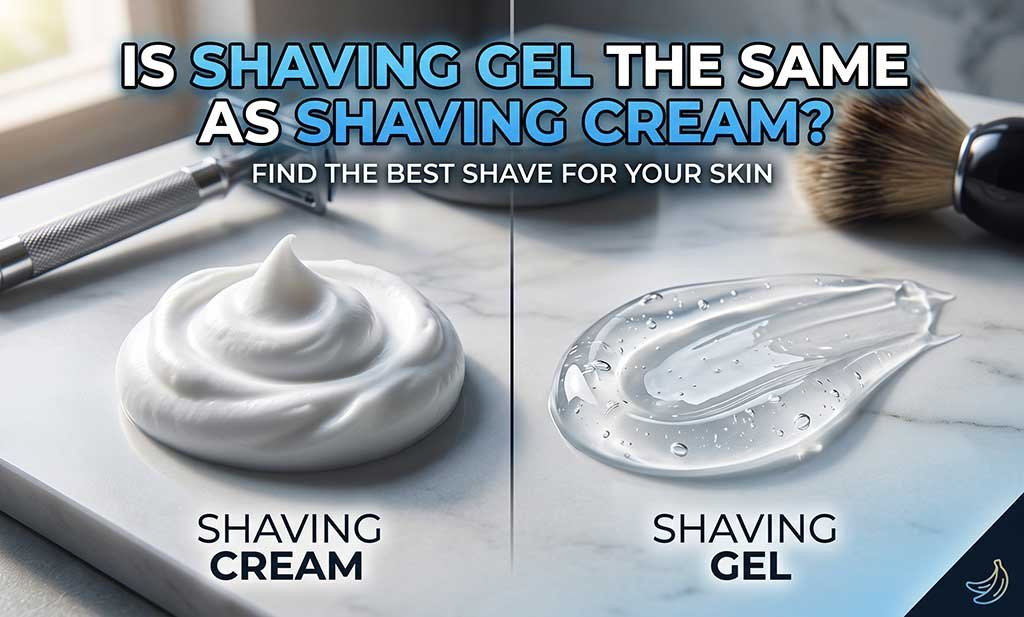
To truly master your morning routine, you must understand how these lubricants interact with your skin. A premium cream provides a dense, protective cushion built heavily on nourishing oils and natural butters. This thick barrier prioritizes maximum hydration and protection for those who struggle with raw, damaged skin barriers.
Conversely, shaving gel relies on a lighter, highly slick, water-based formula designed to maximize pure razor glide. It creates a thinner barrier that allows the blade to cut hair closer to the root. True gels are also transparent, offering unmatched visibility when you need to sculpt sharp, precise beard lines.
Here is a quick breakdown to help you visualize the distinct differences between these popular grooming lubricants.
Feature | Shaving Cream | Shaving Gel (True Clear) | Shaving Foam (Canned) |
Primary Benefit | Maximum cushion and hydration | Ultimate razor glide and precision | Speed and budget convenience |
Base Ingredients | Emollients, rich oils, shea butter | Water, synthetic polymers, aloe vera | Aerated liquid soap, alcohol |
Visibility | Low (Opaque lather) | High (Fully Transparent) | Lowest (Fluffy white clouds) |
Best Skin Type | Dry, highly sensitive skin | Oily, acne-prone, normal | Unreactive, very tough skin |
Lathering Method | Shaving brush or hands | Hands only (No lathering required) | Pre-lathered directly from can |
What is Shaving Cream? (The Traditional Cushion)
Traditional cream is a grooming staple that has survived generations for a very good reason. Formulated with humectants like glycerin and heavy fats, it creates an incredibly dense, protective barrier between the sharp metal and your delicate epidermis. This luxurious cushion actively drastically reduces harsh blade drag.
When you whip up a high-quality cream with a traditional shaving brush, it magically lifts the facial hairs away from the skin. This lifting action allows the blade to slice through the hair effortlessly, preventing the dreaded pulling sensation. The rich emollients also infuse your skin with deep moisture as you shave.
Pros and Cons of Shaving Creams
Pros
- Pro: Offers unparalleled skin hydration and deep moisturization during the shave.
- Pro: Creates a thick, visible barrier that easily tracks exactly where you have already passed.
- Pro: Exceptional at softening thick, coarse, and wiry beard hairs before cutting.
Cons
- Con: The opaque lather makes it incredibly difficult to see sharp beard lines or sideburns.
- Con: Requires much more time and effort to build a proper, rich lather.
- Con: Can easily clog multi-blade razors if not rinsed frequently under hot running water.
Best Skin Type & Razor Pairing for Cream
If you battle dry, flaky, or highly sensitive skin, this heavy formulation is your absolute best friend. The rich oils and natural butters prevent the blade from physically scraping away your natural moisture barrier. It acts like a soothing lotion that happens to facilitate hair removal simultaneously.
Hardware compatibility is crucial here. Thick creams pair flawlessly with a classic single-blade safety razor. Because single blades have massive gaps for hair and lather to pass through, they never clog. The heavy cushion of the cream perfectly offsets the aggressive cutting angle of a traditional metal safety razor.
What is Shaving Gel? (The Modern Glide)
Modern gels are engineered completely differently from their creamy counterparts. These lightweight, water-based formulations focus entirely on maximizing slickness rather than building a fluffy cushion. By utilizing advanced polymers and botanical extracts like aloe vera, they create an incredibly slippery surface for the blade to travel across.
Because they do not rely on heavy fats or oils, gels do not require intense agitation or a brush to activate. You simply massage the product directly onto wet skin. The resulting slick film drastically reduces the mechanical friction that causes angry redness, making it an incredibly efficient lubrication method.
The Big Secret: True Clear Gels vs. Post-Foaming Gels
Here lies the biggest deception in the grooming industry. The vast majority of aerosol cans labeled as “gel” at your local pharmacy are actually post-foaming gels. They squirt out as a blue or green gel but quickly expand into a thick, opaque foam when exposed to your body heat.
These post-foaming aerosol products completely defeat the primary advantage of a gel: visibility. If you want to sculpt a goatee or line up your cheeks perfectly, you need a non-aerosol clear shaving gel. True clear gels never foam up, allowing you to see every single hair before you cut it.
Pros and Cons of Shaving Gels
Pros
- Pro: Provides the absolute highest level of pure slickness and razor glide.
- Pro: True clear variants offer unmatched visibility for precision edging and detailing work.
- Pro: Very lightweight and rinses cleanly down the sink drain without leaving oily residue.
Cons
- Con: Offers significantly less protective physical cushion compared to a traditional whipped cream.
- Con: Dries out much faster on the face, requiring quicker strokes or reapplication.
- Con: Commercial aerosol versions often contain harsh propellants that can irritate the skin barrier.
Best Skin Type & Razor Pairing for Gel
Individuals with oily or acne-prone skin should heavily lean toward lightweight gels. The heavy fats found in creams can easily trap sebum and cause painful breakouts. A water-based clear gel rinses away completely, ensuring your pores remain unclogged and your skin feels remarkably fresh after your morning routine.
When it comes to hardware, gels are the undisputed champion for modern multi-blade cartridge razor users. The five tightly packed blades on a cartridge trap thick debris instantly. Because gel is thin and highly water-soluble, it passes through narrow cartridge gaps effortlessly, keeping your expensive blades completely clear and effective.
Does Shaving Gel or Cream Clog Your Razor Faster?
The speed at which your razor clogs directly impacts the quality of your shave. When a blade is choked with debris, you are forced to press harder against your face, which inevitably leads to severe razor burn. Traditional thick creams are notorious for trapping hair inside the razor head.
If you use a thick cream, you must rinse the blade aggressively under hot running water after every single stroke. Gels, however, are specifically formulated to dissolve quickly in water. This thin, slippery barrier flushes out of your razor instantly, making it the far superior choice for maintaining clean, efficient hardware.
Seasonal Shaving: Should You Switch Your Routine?
Savvy grooming enthusiasts know that skincare needs change drastically with the weather. Sticking to one single product year-round is a major mistake. During the harsh, freezing winter months, your skin produces significantly less sebum, and indoor heating strips away your natural moisture barrier rapidly.
Winter is the perfect time to switch exclusively to a heavy, nourishing cream. The dense emollients will actively repair your dry face. Conversely, during the sweltering, humid summer months, your skin produces excess oil. A lightweight, refreshing clear shaving gel is ideal for summer, preventing heavy buildup while cooling the skin.
Environmental & Budget Impact: Which Lasts Longer?
When calculating your true cost-per-shave, aerosol cans are remarkably deceptive. An average can of drugstore gel or foam is heavily pressurized with gas, meaning you are paying mostly for air and propellants. These cans deplete surprisingly fast, forcing you to repurchase frequently and generating massive amounts of non-recyclable metal waste.
In stark contrast, a premium tube or tub of concentrated cream offers incredible value. Because you manually whip the product with water, you only need an almond-sized dollop to generate enough lather for three full passes. One quality tub can easily last six months, saving your wallet and the environment.
What About Shaving Foam? (The Third Wheel)
We cannot discuss grooming lubricants without addressing the most common product on the market: aerosol shaving foam. Simply put, the cheap, airy foam found in brightly colored cans is the leading culprit for painful razor bumps and chronic skin irritation. It is fundamentally flawed by design.
Foams have an incredibly high air-to-lubricant ratio. You are essentially spreading fluffy clouds across your face that offer zero actual protection. Furthermore, to propel the foam out of the can, manufacturers use harsh drying alcohols and chemical propellants that actively destroy your skin’s natural moisture barrier upon contact.
FAQ
Can I use shaving cream with an electric shaver?
Generally, no. Most electric foil and rotary shavers are designed strictly for dry use. Applying a thick, wet cream will instantly clog the delicate internal motorized blades and potentially ruin the device. However, some specific “wet/dry” models permit wet use, so always check your manufacturer’s manual first.
Is shaving gel better for sensitive areas?
Yes, a high-quality, alcohol-free gel is often superior for highly sensitive areas. Because it provides maximum slickness without requiring aggressive rubbing or brush agitation to create a lather, it reduces mechanical friction. This slick barrier helps prevent micro-abrasions on delicate skin during hair removal.
Do I need a shaving brush for gel?
Absolutely not. Gels are specifically formulated to be applied directly to wet skin using only your fingertips. Using a brush with a modern gel is actually counterproductive, as the bristles will absorb the slick polymers and fail to build the airy lather they are designed to create.
Can I use hair conditioner if I run out of shaving cream?
Yes, hair conditioner is an excellent emergency substitute. Conditioners are packed with heavy silicones and smoothing agents designed to coat hair strands. When applied to the skin, these ingredients create a remarkably slick, protective barrier that allows a razor to glide smoothly, preventing painful cuts and severe irritation.
Final Verdict: Which Should You Choose?
Choosing the right lubricant is entirely dependent on your unique biology and the tools you prefer. You should absolutely choose a rich cream if you suffer from chronically dry skin, prefer shaving your entire face clean, and enjoy the classic, clog-free experience of a heavy metal safety razor.
On the other hand, you should confidently reach for a gel if you have oily skin, need to carefully edge around a goatee, or use a modern multi-blade cartridge razor. The superior slickness and easy-rinsing nature of a high-quality gel will drastically speed up your morning routine.

Leave a Reply